2012-05-26

An Inside Look: Waverley Cemetery

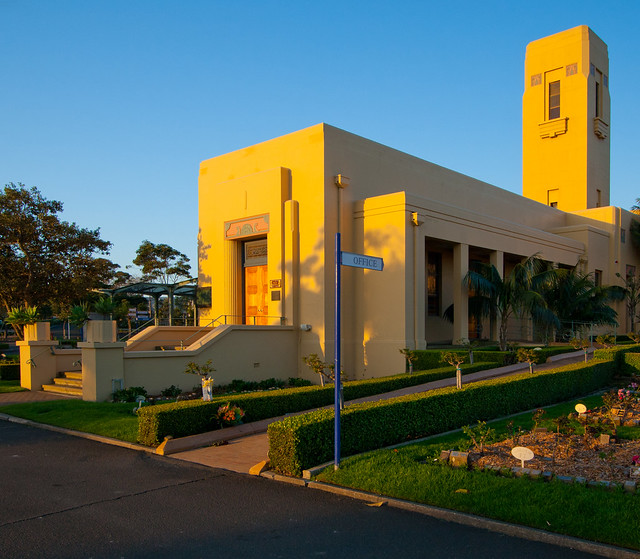
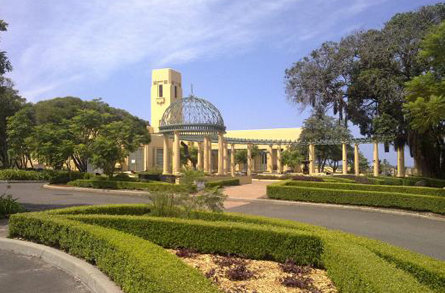
    Waverley Cemetery is one of the smaller and more historic cemeteries in Sydney.  Established in 1877 it is also one of the most beautiful places in Sydney, able to compete with Hyde Park or the Harbour Bridge.  It is unfortunately under appreciated as many just write it off as a cemetery.  In doing so they either avoid it or give it special meaning it does not have.  Instead we should all appreciate it for what it is, a beautiful place with a rich history.

    The scenery is amazing, with glistening white angels and crosses backed by a pure blue sea it is a sight worth seeing.

    Waverley is council owned and operated.

2012-05-23

How to - Carrying & moving the coffin

    After seing my previous post about how to attend a funeral someone recently asked me about how to move a move a coffin.  So here is a little guide on how to move and handel the coffin.

    Foot first.  This is something which a lot of people do not notice and do not do.  But it is a key thing which should always be done.  When moving the coffin take the foot end first.  In a car the coffin should have the foot end towards the driver so again, it travels foot first even when being driven.  This has a symbolic meaning in that it represents the person walking.  As though they are still moving of their own to the next place.  However it also has a practical reason in that it prevents the body from 'purging'.  Purging is where the body basically throws up fluids.  So keep the head raised will keep the fluids down.

    Turn clockwise.  This is symbolic of the moving of life.  It directly represents the turning of the clock and the passage of time.  However always turning clockwise also means you will know what everyone is doing.  There will be no surprises if you follow a pattern.

    Wheel by the thumbscrews.  When wheeling the coffin always hold the thumbscrews and not the handels.  Holding the thumbscrews will be daunting to the inexperienced yet it gives much better grip and control.  The handels are too low for most people so it will mean bending awkwardly and possibly bad for people.  This also does not look good.  To see the paul bearers bending awkwardly as they wheel the coffin.  More importantly holding the handels give little grip which could lift the coffin off the trolley.  For better control and comfort hold the thumbscrews.  It does not just look better but is better.

    Keep in step.  Many people struggle with this, and while not essential it does help.  Keeping in step prevents treating on anyones toes and looks nice.  To keep in step just copy the person in front of you.  Move as and when they move and everything will be fine.  If you are at the front of the coffin (the foot end) copy the person leading the coffin, be they the conductor, a priest or whoever else might be in front.  If nobody is leading the coffin just walk evenly and do not worry too much.

    Keep it level.  When going up or down stairs keep the coffin level as much as possible.  By keeping the coffin level it makes sure nothing on top (such as flowers) will fall off.  It also makes it much easier and safer for everyone involved.  To keep the coffin level those at the low end will have to lift it up as much as practical. 

    Carry by one handel.  Unless you are picking up, raising, or placing down the coffin only use one handel.  Sometimes people try to use both hands to carry the coffin, but this never works and just makes it awkward.  You should only ever need to use one hand on one handel to carry a coffin safely.  Simply use your hand that is closest to the coffin.  If carrying coffins regularly swap sides to prevent strains or developing a 'preferred side'.

    Face the foot end.  The coffin should always travel foot first.  I cannot stress this enough.  Thus you should always face the foot end when carrying the coffin.  So if you are getting the coffin out of a hearse or off something face the foot end.  It is amusing to see people getting a coffin out of a hearse and they instinctively face away from the hearse.  Away from the foot end.  Instead they should face towards the hearse when pulling the coffin out.  As shown in the picture above.

    Do not stress or worry.  Carrying the coffin can be a worrying thing for a lot of people.  Yet it is not that difficult.  Nobody has dropped a coffin as far as I know.  There are stories of close calls, where a handel came off as they were carrying, yet in every case the coffin was caught.  So the chances of you dropping a coffin, or tripping, while carrying it is very, very, low.

    Keep out of the way.  Do as the funeral conductor instructs when they instruct.  It is better to do nothing than to do something wrong.  So sit tight and wait for a signal, either from the conductor or a pre-determined point in the service.  I have seen families jump up too early to carry a coffin.  They're too eager and nervous.  Then they got in the way when the funeral staff moved up to turn the coffin, which made the family feel bad.  So sit tight, stay still and be where you are suppose to be.  That way everything will be fine.

    Following this stay out of the way and move away when you are done.  Especially at the graveside when the funeral staff tell you to move away then move away.  Often the conductor will be holding the coffin, on his own, so it is heavy and awkward.  The last thing he needs is someone standing in the way asking if he has the coffin.

    This of course is not everything to do with moving a coffin.  But it is a start and should help the nervous or inexperienced.  Look to the conductor, or the hearse driver, if you are unsure about what to do.  In he end it is an easier and less stressful task than one would think.

~~

2012-05-21

How to - Attending a funeral

    While recently attending my grandfathers funeral I realised how tricky going to a funeral can be.  Most people have relatively little experience with funerals, and even then they are not often mourners.  At my grandfathers funeral I was unsure where to go, where to stand, how to behave and so on.  Despite the fact I have been to countless funerals.  So even though I have been to funerals changing roles meant the whole thing was completely different.  Thus it must be even harder for people with no funeral experience at all.  So I made this post to help people through attending a funeral for the first time.

    Know is the location and the time.  Double check when everything is mean to start and where they will be located.  Then make sure you know how to get to the location.  This is a big source of stress or worry for people.  They get lost, get there late or have trouble finding parking.  So avoid this by looking everything up.

    Be punctual.  Do not get there too early or too late, instead aim to be there about 15 minutes before it is due to start.  This means even if you have trouble finding parking or something goes wrong that you will not be too late.

    Park smartly.  People will sometimes park inappropriately or dangerously, especially as the time to start draws closer.  It is simply because people panic and did not manage their time or look up the locations properly.  Even if you are late do not park dangerously or inconsiderately, there is no excuse to park in a disability space.  Nor is there a reason to park right on the corner in a no stopping zone and partially block traffic.  Think of others when you park.

    Go in.  Something a lot of people do is group by by the doors.  This blocks the passageways and means people will move in clumps rather than an even flow.  So upon arrival sign the condolence book, collect the order of service and go inside.

    Sign the condolence book early.  By signing the book as soon as possible you save having to line up later.  And while the undertakers will let you sign the book after the funeral they will not like it.  They are busy running about getting stuff done as when the funeral ends it is rather busy for them.  Getting the funeral staff to let you sign the book after the funeral holds up the funeral itself.

    Do not worry.  This is something people do, we worry, about what others think, about making mistakes, about too many things.  However you should not worry at a funeral.  As long as you do not do anything incredibly silly or inappropriate people will not judge you.  As an undertaker I saw many strange or silly things on funerals.  I also saw how the other mourners would either let it slide or not even notice.  As a mourner I realised that the mourners are too busy, focused on the funeral, to worry about what other people are doing.  So relax and do not worry what others think of you.

    Practically.  The most dangerous thing for a mourner is their own shoes, particularly with women.  Nothing looks worse than a women who wore stilettos and insists on carrying the coffin.  Or when they try and walk across a cemetery.  You know you are going to a funeral, if you want to carry the coffin or walk across the grass do not wear heals.  As a mourner or undertaker it is incredibly annoying to see someone with inappropriate shoes.  Wear something more practical (especially at the cemetery) and even if it does not look as good people understand.  Men also wear inappropriate shoes, but it is less common and generally not as dangerous.

    Do not touch the hearse.  The hearse is a very expensive vehicle, there is little excuse to touch it without permission.  Having said that do not be afraid of the hearse.  If you and the funeral staff have time they will probably be happy to show it to you.

    Watch the funeral staff.  They will quite often make little mistakes, watch them closely to see what you are getting.  Many mourners do not notice the mistakes, they are nothing to most people, yet it is important.  Just remember everyone has their off days, and everyone makes mistakes.  So watch but do not judge.

    Funerals are not special.  Well, this is only partially true.  But funerals are not as big a deal as many make them out to be.  Yes, they can be sad, but they can also quite easily be happy.  In the end a funeral is what you as the individual make of it.

    In the end I can describe and explain as much as possible, but this is something best learnt through experience.  This is perhaps the most important and helpful suggestion, to go and attend funerals.  The only way to become comfortable with funerals is to go to them.  So do not avoid a funeral because you are worried about it.  Instead attend and make it a a decent or happy event.

    If you have any specific questions or concerns about a funeral, or about funerals in general post here and I or someone else will be happy to help!

~~

Working Funerals - Decomp

    Decomp is short for 'decomposed'.  It basically refers to what you think, a body that has gone 'off'.  This is a briefe post the aspects of a decomp body and how to deal with them.

<> This post might be a bit much for some people, but I have avoided the details or anything graphic, and there are no pictures.  There is nothing too bad in this post, but it does deal with a subject some find touchy or disgusting <>

    There are many different stages to a 'decomp' body.  But it basically comes down to the same thing.  A body that has or is becoming 'ripe'.

How to spot a decomp:

    The main ways to spot a decomp body (which is not hard):

    Smell - decomp bodies will almost always have a certain "off" smell to them.  This smell can be quite faint or it can be extremely strong.  It is usually strongest on bodies that spent time (a few days or more) outside of a fridge.  With bodies that decompose inside the fridge they tend not to smell too much.  I would describe the smell as like rotted meat.  Quite honestly it is a rather unlearnt smell with the power to penetrate through the body bag, fridge and into the mortuary.  There is little point in me describing the smell as it escapes words, but it is instantly recognisable.

    Colour - this is perhaps the easiest way to identify a decomp body.  They will be going green or have turned green "like the Hulk" as one guy said.  The 'greenness' starts in the stomach, this is where the body begins to decompose.

    Texture - a decomp body will also become bloated, damp and 'loose'.  The texture of the body is slippery and to be frank not very pleasant.  The limbs will be loose as there is no rigor mortis at this point.  The worst part is that the skin will feel damp and lose on the body.

    Bugs & Fungus - the bugs on a body are usually maggots and other similar looking small white things.  These bugs normally only start on bodies that have decomposed outside of a fridge.  However when bodies sit in a fridge for a long time they get a strange fungus, either bright orange or pure white.  But they do not get bugs.

    Weight - decomp bodies generally weight noticeably more or less than other bodies.  This is because they can bloat up and weigh more, especially if they decompose out of a fridge.  On the other hand decomp bodies can weigh less than other bodies.  They become smaller, there is less to them, this is especially the case with bodies which sit inside a fridge for too long.

How to deal with a decomp:

    Take a deep breath - this might sound odd and go against all desires but it is by far the best thing to do.  The smell is the worst thing about a decomp body, so getting rid of it makes everything else so much better and easier.  The fastest way to get rid of it is to adapt to it, this is done by breathing in the smell.  One or two deep and long breaths later the smell is nowhere near as strong.  After a few more minutes the smell might be completely unnoticeable.  Trying to keep the smell "out" of your nose will only make it last longer.

    Poly bag - the main and best thing to do with decomp bodies is "poly bag them".  'Poly bag' is simply putting the body in a special bag then sealing the end with an iron.  The bais made of a clear and mostly stiff plastic which is air and leak proof.  This is the best thing to do with a decomp body, especially if there are bugs or fluids as it will keep in the bugs and fluids.  However, while the poly bag does help reduce the smell it cannot completely contain or remove it in bad cases.

    Open slowly - when opening a body bag which contains a decomp body always do so slowly and carefully.  Quite often fluids will pool at the bottom of the bag and condensation will collect on the sides.  So open and close the bag slowly to prevent splashing any fluids about.

    Odour neutraliser - there are several products out there to reduce the smell of a body.  One of the best according to the embalmer is a product called something like VM3.  It is an all natural product which significantly reduces or completely removes smells.  Further more it has no real odour of its own.  Another great option is baking soda (aka sodium bicarbonate).  Mix it with some water and it will make a great odour neutraliser.

    Mints - eating a mint shortly before or while working with a decomp can make the job a little more pleasant.  This will reduce what you smell and make everything slightly nicer.

    Kerosene - putting kerosene on bodies with bugs is an old trick.  The kerosene will kill most of the bugs overnight.  It will even kill many of the bugs inside the body, not just the ones on the surface.  This will not kill everything.  Unfortunately this is something one can only do in the mortuary.  On the transfer you will have to suffer the bugs as bug sprays will not kill the things inside the body.

    Masks - some people wear masks when handeling decomp bodies.  This can help, and more importantly it makes the whole adventure appear nicer or safer.  However they do not actually make much difference in terms of safety or pleasantness.

    Double glove - this is more a safety measure which can be used on transfers or in the mortuary, but with decomp bodies one should wear two gloves on each hand.  Doing this not only makes it less likely for something to get through the gloves but also means that if the outside pair get 'dirty' you can take them off and still have gloves on.

    Aprons - in the mortuary one should wear an apron when handeling a decomp body.  This prevents any unwanted 'bits' getting on your person.  Unfortunately this is rarely available or practical on transfers.

Things to watch for:

    Skin slip - this is rather unpleasant.  It is basically where the skin or flesh of the body slips as it is picked up or moved.  It can happen with elderly bodies, however it is much more likely and much more unpleasant with decomp bodies.  So watch how you hold these bodies.

    Smell - the smell can almost literally hit you when you first encounter a decomp body.  If going into a room or opening a bag that contains a decomp body prepare yourself for the smell.  It can hit hard but will fade fast (especially if you let it in).  The first few moments are the worst but after that it becomes better.  The worst thing about the smell is how it can penetrate and cling.  It can get through a body bag and a fridge then will stick to your cloths.

    Bugs - they are very unpleasant.  But there is little to nothing one can do to manage the bugs outside the mortuary.  As with smell the best you can do is know about it ahead of time and mentally prepare yourself.

    Fluids - this is exactly what it sounds like.  Bodily and other fluids can pool and accumulate, especially in body bags.  Be aware of this when dealing with decomp bodies.

Some last words:

    In the end you can do what a lot to manage a decomp body.  Yet it will never be a pleasant job and will often be difficult, physically and mentally.  Decomp bodies can be heavy, they can be lose and there can be fluids.  But in all honesty decomp bodies are not always as bad as they sound.  Yes they can be extremely unpleasant but generally it is not too bad and often down to personal taste.

~~

2012-05-15

An Inside Look: Eastern Suburbs Memorial Park


    Eastern Suburbs Memorial park (ESMP) is also known as Botany Cemetery.  Founded in 1888 it is a nice cemetery and crematorium located in the Eastern Suburbs.  The cemetery caters to a lot of Greeks, Russians, Polish, Catholics and so on.  It is both nice and diverse.

    ESMP is independently owned and operated.

Location:
    ESMP's address is 49 Military Rd, Matraville.  The funeral home is 61 Military Rd Matraville.

Getting there:
    Putting the exact address into a GPS can be difficult, so just put in Military Rd Matraville.

    To get to the crematorium drive along Military Rd and enter the driveway where the signs indicate.  It will be the second driveway on the left when driving South along Military Rd.  Once you enter the crematorium grounds turn left for the car park.  Do NOT go straight or turn right and head towards the crematorium building, this is for funeral cars only.

West Chapel in the sunset.
    To get to the cemetery enter Cemetery Ave off Military Rd, this is the driveway between the florist/cafe and the funeral home.  Or enter via Forest Ave off Bunnerong Rd if you are on the other side of the cemetery.  These are also the exits from the cemetery.

    I have seen people enter the crematorium grounds while obviously looking for the cemetery.  They just turned one driveway too early.  It's rare but happens and is understandable.  Most people simply go through the car park and exit straight away.  However I remember one car that obviously panicked, late for a funeral and not sure of the area.  The car headed towards the crematorium building, entering the road for funeral cars only (which has signs) as that is the direction the cemetery is.  This car then saw the one-way road was blocked by a funeral and tried to do a u-turn, mounting and bumping the curb several times.  They went through the car park a few times before giving up and driving down the one-way road again, this time going through the funeral.  So look up the directions before you head off, otherwise you look like an inconsiderate idiot.

Getting out:
    This is for authorised funeral cars only.  To get out of the crematorium chapels you follow the road South towards the cemetery.  Upon reaching Cemetery Ave (the first cross street and the cemetery itself) you turn right.  Follow this road all the way to Military Rd.  Turn right on Military Rd and this will take you to an intersection where you can easily do a left towards the city and Botany Rd or a right for La Perouse.

    For mourners or others simply follow the car park and the signs to the exit where you can turn right on Military Rd.  This will take you to an intersection where you can easily do a left towards the city and Botany Rd or a right for La Perouse.

The main crematorium building.
Facilities:
    There are two chapels at ESMP named after points on the compas (like Northern Suburbs).  Both chapels have their advantages and disadvantages.

    One big disadvantage with ESMP is the services provided.  While the staff are nice they do little for mourners and are focused on funeral work.  If you need help with the AudioVisual system they will show you but also charge a lot for this.  And they will not stay through the funeral, they only show you quickly then leave.  I remember a rural funeral home who had no experience with the AV system, so we showed them how to run it rather than them being charged a few hundred by the crematorium.  Compare this to Macquarie Park where they run the AV system for you and for no additional cost!

Inside the South Chapel.
South Chapel:
    The South Chapel is at the Southern side of the building.  To get to this chapel the funeral cars will enter the special road at the right of the car park, then immediately turn left at the fork.  They follow the road for a short distance then turn right to park under the cover.

    This is the larger of the two chapels and features an overflow room and a cover over the driveway.  It is the only chapel to have this cover of the driveway and thus is the better chapel in summer or in the rain.  There are also toilets very close to this chapel.  This chapel has an AudioVisual system at the back of the room and some mints in a jar on the table.

Inside the West Chapel.
West Chapel:
    The West Chapel is on the Western side of the building.  To get here funeral cars enter the special road at the right of the car park then turn, then immediately turn right at the fork.  They follow this road a very short distance and park at the front of the steps.

    This is the smaller of the two chapels and does not have cover over the door or driveway.  It is however closest to the courtyard (which does have cover) near the car park and is in many ways closer to the car park itself.  Along with the two ramps makes it a better chapel for disable or less mobile people. This chapel has an AudioVisual system at the back of the room and some mints in a jar on the table.

Car Park:
    There is really only one car park at ESMP.  This is the one at the crematorium.  It's a decent car park, not too far from the crematorium and easy to drive around.  However there are not a lot of spaces so if two big funerals come in at the same time it can fill up.  Also there is little in the way of parking by the reception room.  As for the cemetery the roads are narrow and the intersections tight.  So pople can get parked in very easily and still end up a decent walk from the grave.  If you think the funeral is going to be big I would strongly recommend getting there 15 minutes early.

The cemetery at ESMP.
The Cemetery:
    The cemetery at ESMP is quite old and mostly quite beautiful.  With the blue beach in the background and the historic graves in the foreground it makes for a lovely walk.  There is a nice beach bordering the Southern side of the cemetery.  So you can park in the cemetery grounds and go for a nice walk to the beach.

    An issue with the cemetery is the narrow roads.  Much of the place was designed before cars, so like Waverley Cemetery it is full of narrow streets and tight corners.  This is only an issue if there is an on-coming car.  But otherwise hearse's and trucks drive through here all the time, so a regular car should get through fine.  Just be mindful of other cars and make way for funerals.

Reception Room:
    ESMP does have a reception room.  I have never been inside but hear it can be either very practical and good or cumbersome and awkward depending on how the caterers set it up.  The biggest issue is that the reception room is located by the cafe on Military Rd.  While this makes it easy to get to from Military Rd there is not much parking nearby and it is a decent walk from the crematorium.  So if you park at the crematorium for a service then go to the reception room for the wake you will be in for a walk.  The other thing is ESMP does not provide a courtesy shuttle (that I know of) to help people get between the crematorium and reception room, unlike other places such as Macquarie Park.  I have seen funeral cars and taxies make people walk from the crematorium to the reception room, in the rain and the sun.  The walk itself is not bad, it is flat, had a nice path and through a lovely garden.  But it is a longish walk.

Main Office:
    The main office is located on Military Rd, near the cafe and florist.  Here is where you  can talk to the reception desk for any questions or information.  If you arrive early to a cemetery funeral and need to know where the grave is this is where you go.  They are nice and will happily give you a map and even highlight the way if you smile.

Funeral Home:
    ESMP also owns and runs a funeral home (called Eastern Suburbs Funeral Services) which is located on Military Rd, at the entrance/exit of the cemetery.  I know nothing about this funeral home except that they market themselves to Greek clients.  If you are keen on using ESMP I would suggest talking to this funeral home as they might offer packages or discounts or even get preferencial treatments.

The main farm buildings as seen from ESMP.
The Chinese Market:
    At the back of ESMP cemetery there is an old farm area which is still in active use today.  It was listed on the national heritage register a few years ago and as such is now under protection.  However ESMP wants to take over the farm site for graves.  This is because the cemetery is quickly filling up and once full ESMP will run out of a considerable source of income.  And the farms are in the only area they could expand.  The Chinese farms are nice, tehy have a historic feel and look.  In fact the way the cemetery bleeds into farm land is quite a nice sight, so I recommend checking it out next time you are there.  The farms are located at the South Eastern side of the cemetery.

Services:
    As I said before a major issue with EMSP is a lack of services.  They can show you how to work the AudioVisual system in the chapels but will charge an additional fee.  Other places like Macquarie Park include someone who will not only show you the system but run it for you at no extra cost.

    Another issue is a lack of courtesy shuttles.  I do not know for sure that there is no shuttle service at ESMP but I have never seen or heard of it.  This is an issue for some when you consider the distance between the crematorium and car park to the reception center.


Useful Links & Information:

ESMP;
Phone: (02) 9661, 5655.
Hours: Gates open 06:30am to 20:00pm.

Crematory Office;
Phone: (02) 9661, 5655.

Eastern Suburbs Funeral Home;
Phone: (02) 9694, 9494.
Hours: 09:00am to 17:00pm.

Contact info.

Eastern Suburbs Funeral Home.

Cemetery homepage.

Crematory homepage.

Downloadable map.


    ESMP was once an award winning crematorium and cemetery.  The crematoriums have yearly competitions over who has the best garden and ESMP use to win regularly.  They have not won in years and it shows.  Overall the value for money at ESMP and quality is not great, you can get a better deal elsewhere.  The whole place feels as though it was once loved and cared for but is being forgotten.  However it is in a good location and has a nice historic atmosphere and they have recently made great improvements.


~

2012-05-14

Body Bags

mortuary, body bag, bag, body, tray, trolley
Fig 1. A body bag on a tray in a mortuary
    When one thinks of body bags one usually thinks of a black plastic bag with a large zipper down the front.  This is however not what I found them to be.

    The body bags in NSW are made of blue tarpaulin, as shown in figure 1.  I remember how surprised I was to find body bags were made of exactly the same stuff as the tarpaulin in my car.  Even down to the colour and feel they are identical.  Occasionally body bags will be made of brown tarpaulin, or a white or brown heavy cloth. This heavy cloth type is rare and more expensive, but some companies prefer it for nursing home or house transfers as it is a lot quieter than the tarpaulin bags.

    The other thing is that body bags do not have handels.  Well there are some with handels but these are rare.  This is because they are "noticeably more expensive" (as someone once told me) and as such groups like hospitals or funeral homes are reluctant to buy them.  The handels are made of seatbelt material and are stitched into the inside of cloth bags.

    Final thing is the zipper.  The zipper is not down the middle or at the front.  Instead it is on the side, slightly above the very edge of the bag.  This makes it much easier to get the bag under a body and then zip it up.  It means you do not have to lift the body into the bag but can simply roll the bag under the body.  This is great for small spaces, heavy bodies or just to save effort.  Plus having the zip on the side means it's less lightly to rip or break under stress.

    With infectious bodies some places use a special yellow body bag.  This bag is basically the same material as the tarpaulin type but a stronger and more leak proof material.  It is a great idea to use this bag as you immediately know by the bright yellow colour that the body is infectious.  However most places do not use these bags for whatever reason.

    Something I find interesting is that on the Australian Museum they have a section on body bags (where I got the picture).  On that page they say that there are special regulations for body bags and that extra precautions are taken for infectious bodies.  But in my experience I have seen bodies transfered while only wrapped in a plastic sheet and/or blanket.  Which apparently meets the legal and health requirements.  And with infectious bodies they are sometimes placed in a yellow bag or in two bags, but this is very rare.

    So that there's some information about the body bag.  It's not a black thing with a large zip on the front like in TV shows and movies.  It's most often a tarpaulin bag with the zip down one side.

~

http://australianmuseum.net.au/image/Body-Bag

2012-05-13

content removed due to error


<> Content removed due to damage to original article <>

Essentially in updating some things with older posts and the blog there was a mistake and some content was damaged.  The article had an error and was not backed up correctly, so for the sake of simplicity it has been removed.

But don't worry, nothing important or relevant was lost! -- this post is for record purposes only.

An~~

2012-05-12

Air-conditioning & Saving Lives

    Both summer and winter are traditionally busy periods for the funeral industry.  Which makes sense, the cold brings with it diseases such as the flu.  While summer can be quite stressful for many people, temperatures rise well above 30 Celsius for days on end!

    So summer and winter are where we see the extremes of the weather and thus also see a rise in deaths, mainly of the elderly or sick.

    However in talking to a couple of funeral directors they said these spikes are not as high as they once were.  Less people die with the changes in weather than in the past.  And the reason they (and I) argue is due to air-conditioning.  Yes, better health care has helped, but it is air-conditioning that I believe has reduced the spike in deaths.

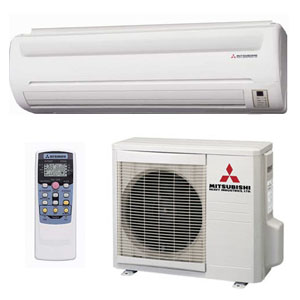
    With modern air-conditioning, which is in all hospitals and almost every nursing home, one can set the temperature of the room.  So even in the hottest or coldest days the room can sit at an even and comfortable temperature.  This reduced the exposure to high or low temperatures as well as the sudden changes which can all kill people.

    Take Japan for example, many use baths to keep warm in winter.  For the Japanese the bath is more than just a way to keep clean but also a way to relax and keep warm.  However there were approximately 14,000 deaths in the bath over 2011, while only about 4,000 died in traffic related accidents (Ryall, 2012).    It was found that most of these bath deaths was basically due to the shock of the change in temperature between the cold outside and the hot bath (Hayashi, Ago, Ago, & Ogata, 2010).  This proves how a sudden or dramatic change in temperature can kill, and can kill in significant numbers.

    So air-conditioning which redresses or removes this change in temperature can and does literally save lives.  Which has been noticed by funeral staff.  A couple of experienced veterans of the industry commented on how they saw the introduction of air-conditioning and saw a drop in deaths.

    This is a great example of how the funeral industry can be looked at to explore odd or unthought of ideas, mainly the idea of air-conditioning as something which does not just make us comfortable but saves lives regularly and significantly.

    Next time you see an air-conditioner think of this, how such a simple device created for pleasure has become a life saver and influenced the world around us without our realising.


~~


References:


Hayashi, T., Ago, K., Ago, M., & Ogata, M. (2010). Bath-related deaths in Kagoshima, the southwest part of Japan. Medicine Science and the Law , 50 (1), 11-14.


Ryall, J. (2012, April 30). Probe into Japanese bathtub fatalities after 14,000 die in one year. Retrieved May 11, 2012, from The Telegraph: http://www.telegraph.co.uk/news/worldnews/asia/japan/9235564/Probe-into-Japanese-bathtub-fatalities-after-14000-die-in-one-year.html

2012-05-11

An Inside Look: Northern Suburbs Crematorium


    I thought it was time for a follow up on my 'inside' look at Macquarie Park.  This time it will ne Northern Suburbs as it is next to Macquarie Park.

    Northern Suburbs Memorial Gardens, simply known as 'Northern Suburbs' to many in the industry is a very picturesque and historic place, opened in 1933.  It is one of the nicer places visually, while not as practical or modern as other crematoriums it does have lovely gardens and buildings.

    Northern Suburbs is owned and operated by InvoCare, who do own most of the industry but are a decent company.

The stolen statue.
    An interesting fact is of the missing statue.  In the middle of one of the large ponds is a stone block with four holes in it.  Here once sat a large bronze statue, which was stolen.  Nobody is completely sure when it was taken but they know it was in early November 2010.  So somebody stole a large bronze statue, which was bolted down and in the middle of a big pond and then nobody noticed it was gone for a few days.

    It should be noted that Northern Suburbs is very different to Macquarie Park Cemetery and Crematorium.  Yet many people confuse the two quite often as they use to share the same name and are within 5-10 minutes drive from each other.  So make sure you are going to the right place!

Location:
    The adress is; 199 Delhi Rd, North Ryde.  I do not know if you can put this address into a GPS so do NOT rely on a GPS or following the cortege to get here.  It is an easy location to look up so look it up.  The entrance is on a bend in a bushy area, but it isn't hard to miss so long as you keep an eye out. 

Getting there:
    The gate is on a bend surrounded by bush and right next to 'Alen Mathews' Funeral home.  This makes it easy to spot from either direction.  Once you see the bright green funeral home sights you know the gateway is there to.

    You are able to easily turn left or right off Delhi Rd into the crematorium.  While there are no lights to help you turn there are often large gaps in traffic.  Many are large enough to let several cars through at a time.  And due to the bend there is good vision of the road in both directions.

    Once you enter the gate KEEP LEFT.  People make this mistake all too often entering Northern Suburbs, confused by the new location and running late they drive in without thinking.  Even though there are big arrows on the ground people end up going towards the main buildings and driving up a one-way lane.  Next thing they come face to face with a hearse and the hearse is not going to back up.  So as you enter keep left and then follow the signs further up.

    Also do NOT enter the roadway going around the crematorium.  This road leads in a circle directly to the chapels, but it is for authorised cars only.  As in funeral cars or hire cars.  Simply put if you are unsure if you're allowed to drive here then you are not allowed.

    Remember the rule at Northern Suburbs; to get in keep left, to get out keep right!

Leaving Northern Suburbs:
    This is rather simple but can be rather confusing and I have seen people get lost or realise that they cannot go the way they originally planned.  So here is how to get out.

    If you are parked int he car park or out front of a chapel it is the same procedure.  Simply follow the roads until you see the large fountain between the North and East chapels (the fountain will be on your left).  Once you see this continue on but keep right and go down the hill.  Left will take you around the road to the chapels (for authorised people only) but right will take you out to the main gate.  It's so simple you will wonder how and why people have messed this up, but they have and it can be more confusing in person.  Especially with cars going everywhere.

    Remember the rule at Northern Suburbs; to get in keep left, to get out keep right!

    Once back at the main gate you will notice that you should not turn right onto Delhi Rd.  Some can do it, but due to the traffic and short visibility this is actually dangerous and can take a while.  Instead turn left, safer and faster.  Then continue along Delhi Rd and turn left into Julius Ave W, it is the second set of traffic lights along Delhi Rd.  You will come to a round about where you can do a U-turn and then go back to the lights which will let you do a right back onto Delhi Rd.

Facilities:
    There are four chapels at Northern Suburbs located and named by compass points, as in 'North Chapel', 'East Chapel' and so on.  The four chapels differ greatly in style and function, so one should think about the type of funeral when booking a chapel here.  All chapels have a hearing aid loop (as with just about every crematorium now).

Parking:
    There is a large car park towards the front of the grounds.  To get here simply enter the gate, keep left and follow the road until you see the signs pointing to the car park.  The signs will direct you to the right at a fork, away from the main building but into the car park.  Because it is an odd circle you end up closer to the buildings that it appears.  If you need to drive closer to the chapels (because you are a hire car, funeral staff or driving someone who is 'unsteady') then continue towards the main building.

The Chapels:
    Most mourners will end up parking in the car park (as they should).  This is only a short and easy walk from the chapels.  However funeral cars or hire cars will and should drive right up to the chapels.  To do this turn left instead of right for the car park.  Continue straight towards the main building, then enter the circular road by keeping left and following the building itself.  This will take you around the circle and let you park at any chapel.  Note that you drive in an anti-clockwise direction around this circle.  The first chapel on the drive will be the North Chapel and the last will be the East Chapel.

    As the East Chapel is the last on a long and slow road you can chose to take a few short-cuts and make it your first stop.  There are two main options for this, the first is to turn right as though you were going tot he car park but follow the road which brings you right to the East Chapel.  The other option is faster but you will need to pass the chapel in the wrong direction then using the triangular traffic island do a u-turn to come back facing the right direction.

North Chapel:
    This is the second chapel people will see as they walk up to the main building.
Seats 100 in the main area and 30 upstairs, it also has a TV screen down at the front.  While they say it is a large screen it is 'tricky' to see clearly from the back.  There is also an electric piano at the front and an AudioVisual system at the back.
    There is wheelchair access through a side door.
Link to more information and a  floor plan.

East Chapel:
    This is the first chapel people see as the approach the main building.
Seats 70 people and says it has standing room for 100.  But in all honestly getting 100 people to stand in there would quite squishy.  There is a small TV at the front which is viewable but appears small from the back.  It is good for a nice slideshow but not suitable for a movie.  As with the other chapels there is an AudioVisual system at the back and electric piano at the front.
The East Chapel has been blessed as a Catholic chapel and can have crucifix's provided on request.  But every chapel at Northern Suburbs is suitable for any religious or non-religious ceremony.
    There is wheelchair access through a side door.
Link to more information and a floor plan.

South Chapel:
The South Chapel door from under the cover.
    This is reached by following the path around the building, located on the opposite side to the North Chapel.
Seats 80 and has standing room for 100. It has a decent TV at the front for slideshows and videos and an AudioVisual at the back.  And again there is an electric piano but also a marble table at the front.
Unlike the other three chapels this one has a cover outside the door for cars and people, which is a huge advantage in the rain or the heat.  This makes it arguably one of the best chapels and is certainly one of the preferred for undertakers.
    There is wheelchair access through a side door.
Link to more information and a floor plan.

West Chapel:
    This is at the back of the building, reached by walking around the path.
Seats 55 and has standing room for another 50.  It is perhaps the smallest of the chapels and this should be taken into account.  There is also an electric piano and AudioVisual system in this chapel.
    There is wheelchair access through a side door.
Link to more information and a floor plan.

Reception Center:
    InvoCare planned to open the reception center in 2011, but the date was pushed back to 2012.  So it should be open by now but I do not know for sure.  Nor do I know what it is like.  I do know it is located by the car park but away from the chapels.  There was talk that a shuttle service would be provided to people who needed it, but either way it is a decent walk from some chapels.

Main Office:
    The main office is located near the large fountain between the North and East chapels.  For undertakers and other funeral staff there is a special sliding window on the side of the building by the toilets.  Look for a little awning and a window, it is easy to spot.  This is where funeral staff take all the paperwork, let the crematorium know they have arrived, get help and so on.  Mourners on the other hand should enter the office through the door near this window and can talk with reception.


The Staff:
    The staff are InvoCare employees and as such most are quite cool, but a few are funny.  Generally the staff here are decent and helpful so long as you are polite.  A smile goes a long way at Northern Suburbs and if you stay on their good side (which isn't hard) they will usually make sure to give everyone a couple of lollies or mints.

    For mourners the staff are also quite nice and professional.  Be polite and do not hesitate to ask if you need help, try not to demand or ask too much but otherwise they are happy to help if they can.  If one needs assistance getting around Northern Suburbs, finding a name plate or anything else just go to reception in the main office and ask.


    If you want an all-in-one style service where the wake and committal are together I would recommend Macquarie Park.  The reception center and chapels are state of the art and modern.  And they are located almost next to each other, and there is a small fenced in playground within sight of the reception rooms.  Overall it is better integrated and offers more versatility.  However it is very modern, Northern Suburbs has a more historic feel and look to it.  It is a stylish and beautiful place with fountains and gardens everywhere.  Really it depends on what people desire and their budget as both are good locations and close to each other.


Useful Info & Links:

Contact:
Phone: (02) 9887 2033

Cremation information.

Memorial Options.

Associated funeral homes - in other words other InvoCare owned funeral homes.

~~

2012-05-01

Working Funerals - Turning the coffin

    At my grandfathers funeral I couldn't help but notice the mistakes the undertakers made when turning the coffin.  The mistakes wren't serious or disrespectful and they went un-noticed to the other mourners.  But after working funerals I saw these little mistakes.  And this made me realise how many mistakes can be made when turning the coffin, so I thought a little guide might help.

    Turning the coffin is a rather important part of the service, and it is a part many overlook or dismiss.  It is also a rather simple procedure that has plenty of room for errors.

    'Turning the' coffin refers to the act of rotating the coffin at the end of a funeral service to take it to the next or final stage.  This is done while family, friends or other mourners are watching and is a part of the service itself.  Mourners or staff can turn the coffin, but it is usually the undertakers who do it.

    Any movement of the coffin is important and potentially emotional for most mourners.  So turning the coffin is very significant for most people.  It is also done infront of many people and its always watched intently.  As such it should always be done right.  Thus an article explaining how to turn the coffin could be helpful to mourners or funeral directors alike.

Here is my step by step guid on how to properly turn a coffin:

Fig1. Getting into position.
1. The hearse driver and other staff member will wait near the coffin before moving over and preparing it. This involves removing any symbols (items placed on top or near the coffin) or obstructions (such as the pascal candle or tables).  As they approach they should bow to the stage or coffin depending on tradition or practice.
Fig2. Getting ready to turn.
2. The staff move into position, the hearse driver goes to the head end and the other staff member goes to the foot end.

3. They pause for a moment and when the hearse driver signals they place their hands on the coffin.

4. The staff want to have a firm but dignified hold of the coffin.  It should not be grabbed and moved like a box or furniture but it does need a firm grasp to keep control.

5. After placing their hands on the coffin the staff pause and again wait for the hearse drivers signal.
Fig 3. Turning the coffin.
6. When the hearse driver signals the staff turn the coffin clockwise.  It must always be turned clockwise! Turning the coffin in this direction represents the passage of time, it is an old and symbolic tradition.

7. It might be necessary to perform a three-point-turn in tight spaces.  There is nothing wrong with this if movements are kept to a minimum where possible.  Be sure to discuss this with the conductor or hearse driver before going up to turn.
Fig 4. Finishing the turn.
8. The assisting staff at the foot end should make sure the coffin is straight.  To do this they pull the coffin down the isle towards them a very short distance.  Never pull the coffin too far in this direction and do not worry about getting the coffin perfectly straight.

9. The staff will move off as previously instructed by the conductor.


Some simple key things to remember are:

-  Pause after approaching the coffin, pause again after placing your hands on it and make a final pause after turning the coffin.  This makes the whole thing appear much more respectful and professional.
-  Look for the hearse drivers signals, move when they move and move as they move.  Again, it will look professional and like you are a team.
-  Do not move too far.  Restrict all movements as much as is practical otherwise mistakes can be made.
-  Flow steadily, do not move suddenly or jerkily.  Think of the process as like a dance, move with a rhythm and do not make sudden or unexpected movements.
If a mistake is made ignore it if you can.  Most mourners will not notice mistakes unless the undertakers make them noticeable.  So if you can get away with a mistake then do so.
Know the crew and other staff.  This is difficult with large companies who change crews and staff often.  But if you can get to know them do so.  It really helped me, to know how and when each hearse driver liked to turn the coffin.  Then I could match their styles and appear more professional and I would notice quicker if something went wrong.  We all have our personal tastes and touches, getting to know these will go a long way.
-  Communicate!  This is perhaps the best and most important thing.  Listen to the conductor and hearse driver.  Do no over discuss what is to happen but make sure everyone is on the same page and you know not only your role but what others are meant to do.  This means if something goes wrong or someone goes missing you can easily step in.

    Just remember not to worry too much about it and if you are unsure of what to do don't do anything.  A great rule for funerals is do nothing if you are unsure.  It is much better to do nothing than do something wrong.  When turning the coffin generally wait to see what the hearse driver or conductor are doing before you act.  And if you are the hearse driver or conductor you should know what you are doing and not really need this guide.

~~