Undertakers have a long tradition of stopping traffic, it is a natural part of the industry that many think little of. However, should they really be doing this?

Showing posts with label driving. Show all posts
Showing posts with label driving. Show all posts
2013-02-27


2012-10-08
Working Funerals - Cleaning the car
Most people might not find this post helpful, or even that interesting. But for others this should make cleaning the car faster and result in a better job. It took me 20 minutes to completely clean the exterior of my car. There wasn't a spot of dirt on it by the time I finished.
Cleaning cars is a big part of the morning routine and the job in general.
Cleaning cars is a big part of the morning routine and the job in general.
2012-07-30
Funeral Cortege Laws & Rights in NSW

2012-06-16
Working Funerals - Driving in cortege WNBull style
 |
| The car I was assigned, WNB004 or 'Kevin' as I called him. |
A while ago I wrote a post about how to drive in cortege from a mourners perspective. This is my promised follow up from an undertakers perspective
2012-06-03
Attending a Funeral - Driving in cortege
I that i tend to get questions following my posts on how to attend funerals. People appear nervous, unsure and generally hesitant. Who can blame them, funerals are a tense thing to the inexperienced and many of us are inexperienced with them. Thus I thought a few posts detailing the mist important or tricky parts of the funeral could help. Starting with one of the most difficult and stressful parts for many mourners, driving in cortege.
Driving in cortege is the act of following a hearse (or any other lead car). You will be driving quickly and closely behind a hearse or other cars. This makes it tricky and worrying. Yet this was my favourite part of working funerals. It can be quite easy and simple as long as you think ahead and apply some common sense.
This post is for mourners, however I will write another post about hot to drive in cortege as a funeral director. This is because driving as a mourner and as an undertaker are very different. Comparing both posts might be interesting or helpful. I do go over driving a funeral car in this post here. But I want another new posts focusing on driving in cortege.
Anyway, here is how to drive in a cortege from a mourners perspective:
Driving in cortege is the act of following a hearse (or any other lead car). You will be driving quickly and closely behind a hearse or other cars. This makes it tricky and worrying. Yet this was my favourite part of working funerals. It can be quite easy and simple as long as you think ahead and apply some common sense.
This post is for mourners, however I will write another post about hot to drive in cortege as a funeral director. This is because driving as a mourner and as an undertaker are very different. Comparing both posts might be interesting or helpful. I do go over driving a funeral car in this post here. But I want another new posts focusing on driving in cortege.
Anyway, here is how to drive in a cortege from a mourners perspective:
2012-04-19
Funeral Fun - Smashing a Tree
This is not my story but a story that was told to me by a co-worker about an od accident he witnessed while on a funeral.
2012-04-17
Funeral Fun - Crashing the car
|
| The car, repaired and happy after the accident. |
The day started like any other day, I was set to assist on one funeral as it was going to be quite big and in a small church. After that I was to drive to another funeral to drive around the family of the deceased. Nothing out of the ordinary so far, just another warm summer day on the job.
We all arrived at the first funeral, the church was a small one in the Eastern Suburbs. Quite a nice little brick church actually, built in the 50s or 60s. Unfortunately there was little to no parking on the street and what street parking there was would be taken up by the hearse and mourning cars. So I decided to park my car in a small car park on the church grounds, it was out of the way and yet very close and in the shade, a perfect spot if there ever was one.
The car park was quite tight to get into as the gates were low and narrow, but I managed without any real trouble. Proud of my little parking spot I headed into the church to help out. As predicted there were a few hundred people at the funeral, unfortunately the church was quite small and filled up fairly fast. So I had to run about and set up chairs outside for the extra people. While many sat down most chose not to, quite common at funerals as people do not want to stand out (so to speak) and so they stand about.
When the funeral was coming to an end I was told to move my car and head off to my next job. So I hopped in my little black car and proceded to attempt to get out of the car park. As I entered I had intended to pull forward, swing left and then reverse out. This way I could see the low gates in my wing mirrors. However due to the now large crowd of people I could not pull forward or swing left. People were standing in front of the car and a large group of older people were sitting to the left.

While someone was guiding me forward slowly the car suddenly hit the gate. I felt it just before the people guiding me said stop. The impact wasn't hard at all as I was going slowly, I thought at worst the car might have a scrape and not even a dent. They said to reverse and turn as I did so. I tried to turn the wheels but I could feel them blocked by the wall.
This is where it got ugly, as I reversed back I felt the bumper had been caught on the gate and was being pulled off slowly. There was nothing I or anyone could do about it, to get off the gate I would have to ripp up the front bumper. It was quite stressful because this was a brand new fancy car. Yep, this was a three week old Holden Caprice and worth about $60,000 or more that I was pulling appart. After reversing bit by bit for what seemed like forever the car was finally free. As a small consolation it was at least now facing the way out.
With some relief I drove out and parked in a no stopping zone on the other side of the street to inspect the damage. I hopped out and want around to the front, the bumper was still attached (thankfully) but not by a lot. From the passenger side to the middle of the car every clip was broken or pulled out leaving the bumper hanging loosely about 2 inches from the ground.
To say this was a serious issue was a bit of an understatement. Not only had I broken the car but I was meant to drive a family in not very long and I could hardly drive them in this car. To make matters worse the boss was conducting on the second job and I knew she wanted me there asap. I immediately informed the conductor then phoned the boss and told her the situation. She said some fairly understanding and kind things but I could hear how annoyed and upset she was, which did not help my situation. We decided I would drive the damaged car all the way back to Newtown, collect the remaining family car and head over to the second job. There would be time if I hurried.

The rest of the day went like normal, except it dragged on. I had to work like normal while knowing what had happened, and that I was yet to discuss it with the boss who was obviously very unimpressed. When I finally made it back to garage the damaged car had already been taken to a mechanic. So I made my way up to the bosses office for our 'talk'.
We actually had a fairly nice talk, I admitted I was driving and as such was completely at fault. As the driver I was responsible for the car and the accident. She was understanding and sympathetic for my situation. However I could tell that behind her words she was very unhappy and upset with the accident yet as it was an accident she could hardly tell me off. So instead she took the kind and sympathetic approach.
The damages cost almost $2,000 and took a little over three weeks to fix. All in all it was quite a stressful day and the worst accident I've ever had. And in a brand new company car!
~~
2012-04-06
Sexism in the Funeral Industry
Firstly 'sex' is a specific term different from but related to gender. Sex is the physical characteristics of a person, whether they are physically male or female. There are exceptions to this, such as those who are born with both sets of gentiles or those who possess DNA for one gender and yet gentiles of the other. For example a woman was found to have XY chromosomes and not XX even thought she was physically female. Gender on the other hand is the psychological characteristics and definition, whether that person think of themselves as male, female or another option. For example someone may be physically male but see themselves as a woman. But for the purposes of this post I am looking strictly at physical male and female or peoples sex and how this is played out in the funeral industry.
There is a difference between noticing differences between sexes and sexism itself. Sometimes we should take note of the differences and to not do so is instil poor form and inappropriate if not discrimination. The funeral industry, while rarely strenuous, is often very physical. Undertakers have to slide whole bodies about, moved and manipulate these bodies to dress them, move empty coffins and then carry 'filled' coffins. An average lighter wood coffin is about 20kg, an average body is 50-70kg. The combination of these is a fair bit of weight that needs to be carried, sometimes a great distance over bad terrain. Quite honestly women are not as strong as men, as just about anyone should realise. It is not just about size, as men are generally larger, but also to do with proportions and distributions. For example women have more of their weight in their hips while men have more of their weight in their upper body. There are stories of coffins being dropped by all female undertakers (although this is very rare). And companies such as White Ladies are always all female (although this is not always the case behind the scenes), they are not allowed to have a guy or two just help to carry the coffin. This would make it much easier and safer on difficult jobs. We should acknowledge and take into account physical differences (and other related) between the sexes. To do so would not be sexist but practical. To not do so is in itself sexist as they are dividing the staff based on sex and yet not taking into account actual differences between the sexes.
As for the funeral industry it is full of sexism and specific roles based on sex. Take InvoCare for example. InvoCare is a perfect model of modernity and democracy. Everyone is equal and accountable at InvoCare, even state and national managers. The system is extremely efficient and operates much like any other modern corporation. As such anyone is eligible for promotion or a job based on performance. InvoCare could not care less about religion, race, sex, gender or any classification that is not related to the task. So they are quite willing and able to promote women as equally as men based on their individual performance. This is good in that they do not resort to prejudice against women or affirmative action for women. One might think that affirmative action allows discriminated groups to get a leg up and become equal, yet it does the opposite. It is the equivalent of saying that group is incapable and needs to be assisted by the other, better, group. In terms of this argument that women are not capable of getting a promotion themselves and thus need special help from men to do so. The other issue with affirmative action is that just like prejudice it judges a person based on a general classification. That the candidate is not an individual with their own pros and cons but as (in this case) a woman or a man and should be evaluated as such. Thankfully InvoCare does not do this and has no affirmative action policies or practices (as far as I know). Instead they look to the individual and evaluate them as a person rather than as a general group. Having said this most people at the top of InvoCare are men, women have resided at the top but only one or two. This is the same with most of the academic world where women do become a smaller minority the higher one looks. But this is not necessarily due to a glass ceiling in that field or company. As with InvoCare it is due to the current social system. We participate in sex roles which impact our career. For example women are more likely to take time off if a child is sick to care for the child. Men are more likely to focus on work than family. Thus the minority of senior women at InvoCare is not because of InvoCare but because of society. As such InvoCare is not sexist towards in evaluating and assessing employees, it is too efficient to care for thing such as sex.
However InvoCare is sexist in its use, role assignment and branding of employees. They segregate and discriminate against certain genders and advertise these sexes as being better at certain tasks because of their sex. Despite the fact that these tasks or attributes are not influenced by gender or sex. An example of this is the whole idea behind White Ladys (an all female company), the company slogan is "a woman's understanding" and display images of a woman smelling a flower with a soft white background such as figure 1. below. Lets look at some images of the staff from the White Ladys website.
 |
| Fig 1. The main photo for White Lady advertisements and promotions. This photo can be found on almost everything related to the company. |
 |
| Fig 2. The staff at White Ladys. |
 |
| Fig 3. Assisting a child. |
 |
| Fig 4. Assisting mourners. |
It is clear that they are actively portraying women as gentle, emotional and understanding, able to empathise strongly with the mourners and the deceased. In most images the women are interacting directly with mourners assisting and empathising with them such as in figure 3 and figure 4. In other images they are depicted as friendly and welcoming such as with figure 2. Another thing to note is how the emphasis is on what they are doing or are like rather than who they are. It is difficult to see their faces and identify them as the focus is elsewhere. There is an unspecified emphasis in old fashioned sex roles here. The women are all shown to be 'mothering' or 'nurturing', the way they are looking after the people, the way the tagline refers to understanding. We should also note that they are all wearing skirts and white clothing. The skirts are not really practical for the industry as there is a lot of awkward movement and bending needed and yet it is the company uniform. The white is another strange thing as it would get dirty easily and obviously. An undertaker can often and easily find themselves kneeling in the dirt to get a better grip on the coffin at a cemetery. So a white uniform with a skirt is a strange choice for this type of job. This only highlights the importance on identifying and emphasising the sex of the worker over the role of the worker. White lady employees are female before they are undertakers.
Now lets look at pictures of Guardian funerals, another big name for InvoCare which is mostly staffed by men. There are no pictures of the staff, well, one but it is irrelevant as it does not show the staff at work and too small to be worth looking at. There are no pictures on any other InvoCare company websites of the staff at work. In other words InvoCare has based a whole company of White Ladys on the staff, on the sex of the staff. So they must show how it is operated by women and why this is beneficial. I have however found images of Guardian staff in physical advertisements so they do show the staff. In these images the staff are always shown as formal and professional. They might be smiling and friendly but they are never shown to be doing or interacting like the women at White Ladys. This creates an unsaid and implicit message that men are not as gentle, emotional and do not empathise with others as much. The men in InvoCare owned companies are depicted as professional (posing formally in dark suits) while the women are depicted as emotional (posing casually in white suits and often smiling). There are obvious and strict roles between the genders in InvoCare advertising and policy.
Certain companies (which I will not name but are not InvoCare related) have very overt sexist policies. For example they have a strickt policy of women must always be at the foot end on a transfer or when moving/manipulating a body. This is because the foot end of a body has very little weight. Most of our wight (about 60-80%) is above the hips. So having the guy at the head end means he will bear most of the weight making it easier for the woman. While this is taking into account sex differences which is not sexist their policy itself is sexist in the way it deals with these differences. It assumes that all (or at least most) women are not capable or should not be involved in moving much weight. There are many situations where this is un-necessary, pointless or stupid. Such as with a child where there is little weight at any end, or if the guy has an injury and while able to work should not strain himself. Plus it puts all the strain on the men and none on the women, swapping ends every now and then makes things easier in the long run. Instead due to this general policy women always end up with the easier job while men always end up with the more difficult work. Certain thing,s such as moving a body, depend on the situation and circumstance making blanket policies general, inappropriate and discriminatory. One may think this policy is in itself not as sexist as I make out to be. However consider it alongside the following point.
These same companies do not let women drive. If there is a man and woman on the transfer then the man must drive. And these companies arrange it so a man and woman or two men are paired together rather than two women. By combining the two policies about women (that they must be at the foot end and that they cannot drive) we start to see several possible discriminatory reasons and beliefs come to light. Such as that women are not as competent drivers, that women do not 'take charge' or falter under pressure, that women cannot handel physical work and so on. Women never end up driving or carrying much weight with these companies (physically and metaphorically). This gives women an easier job and puts more work on the men, but it also restricts the role and responsibilities of women. Limiting and judging women as lesser than their male coworkers. So it is both discriminating against and for people based on their sex.
This is only a brief and shallow look at sexism inside the funeral industry. Sexism runs rampant and unchecked either actively through preventing women and men from doing certain jobs or subtly in the form of attributing certain characteristics with certain sexes. The issue is bound in the fact that the funeral industry is very old and unchecked. There is almost no regulation and no power over those who work in the industry. A funeral home has the option to join the Australian Funeral Directors Association but there is no requirement to do so. And if they do not meet certain standards there is almost nothing in the way of repercussions. Such as with the funeral director who filled a coffin with bricks after cremating the wrong body. He is still in business and just as bad, going so far as to stalk a woman with a hearse. Most undertakers are decent people, but regulation is needed and could help reduce things like sexism. Or at least bring these issues to light.
~~
An interesting side not on White Ladys is that the lady featured in the main pictures smelling the rose was fired and escorted out by police. I do not know what she did or even if the story is true, but either way InvoCare does not care and continues to use her photo to promote the company. I have also been told that InvoCare actually owns her image, they have the rights to use her face as they like. This sounds very likely as I know they have ownership of certain other peoples images which they use.
2012-03-08
Working Funerals - The Rain
This storm reminds me of working in the rain. Surprisingly enough the work is very different when it rains, especially if it rains heavily like this.
Driving, now that is a main issue in the rain. Not that it is more dangerous, it really is not too different in terms of safety. But there is a lot more traffic which means you will need to leave much sooner than you would normally. I tended to add about half an hour to my estimated drive time when picking up families in heavy rain. Sometimes it took even longer and I was nearly late a couple of times, not how the family would want to start a funeral. Once it took 45minutes to get onto the Harbour Bridge. Generally it takes longer to get on things like freeways, tunnels, bridges and so on. But once on them they usually move at a decent pace. Just be patient but confidant, scoot up the side lane then merge back into the traffic. This could save you a lot of time.
The funeral is also a very different affair in the rain. And here is where it is actually quite dangerous for you and others. Those designing churches rarely think of using the churches. Something which I hate and illustrates a lack of care for those who attend or use the church, but this is a topic for another discussion. Due to this lack of thought the church will often have steps, usually marble and with a good height to them. It does look nice, very pretty actually, but it is not practical at all. It means you have to carry a heavy coffin and do not often have a chance to wheel it in. And in the rain these lovely steps are so slippery. I have great balance, but due to inappropriate shoes (which look good but are not practical) nearly fell over several times on the job. And many others did not just nearly fall on these sharp stairs. So watch your and others step at the church, yet think of your stability before trying to save others from falling. There is little point trying to save someone and going down as well.
Umbrellas are a must. As the family get in the car inform them that you have plenty of umbrellas for everyone. Each family car should carry about six to eight and each hearse should have eight to twelve. Telling the family about having umbrellas will make them happy and relax them a bit. Talking of umbrellas keep one next to the drivers seat, out of the way of everyone. This will mean you can grab it and open it up as you jump out, keeping you dry. Then you can hand it straight to the family, or use it to keep you dry while you get more umbrellas.
Working at a crematorium is a great thing in the rain or heat. Some have covers over the main door but most do not. However either way they are inside and airconditioned. However, knowing luck, you will probably work a cemetery on these days. The cemeteries are muddy in the rain. Just think about it, they have a lot of dirt, a lot of sloping lawns perfect for funnelling rain and very few trees. A perfect combination for mud and puddles. Many, like Rookwood, are built on clay (as the ground is useless for anything else). The mud/clay at these places (especially Rookwood) is so sticky and difficult to clean off. I have had mud sit on my shoes for weeks to the point where I used boot polish to basically paint over it. The best and easiest way to get rid of the mud is not to worry and let it dry. Then scrape it off and finally finish it off with a damp rag. You can also use a vacuum to get it off the carpet in the cars. Many times the families will get in your car and try not to get the mud anywhere. In doing this they usually get it on the seat as well which is harder to clean. Tell them not to worry about it, that you are experienced at cleaning it off and it will give you something to do later. That way they only get it on the carpet which means just one easy spot to clean rather than several.
Watch the puddles at cemeteries and do not step on fresh graves. If you step on a fresh grave it may sink by a good foot or so. You could break or twist an ankle this way, or just embarrass yourself as many have. It is much the same for large puddles, unless you know how solid the ground beneath is and how deep the water actually is do not walk on it. The mourners are idiots, most of them will walk over these hazards and hurt or embarrass themselves. So direct people around the dangers. This also creates a well trodden path; a nice solid walkway that is safe for you and others to walk on.
At the end of the day you will probably get wet if it is rainy. You are working outside, you are moving about and active. So just resign yourself to your fate and be prepared to get wet. It is not the end of the world and you will (probably) dry off later.
Some bullet points to remember:
- Traffic is heavier, add 30minutes to travel time, especially if going onto something like the Harbour Bridge or M5.
- Keep plenty of umbrellas and inform the mourners you have them.
- Churches and other places can be slippery, pay special attention to stairs.
- Watch for mud and avoid it where possible.
- Keep away from fresh graves and puddles, they can snik and break or twist an ankle or just hurt ones dignity.
- Be prepared to get wet, you will.
~~
Driving, now that is a main issue in the rain. Not that it is more dangerous, it really is not too different in terms of safety. But there is a lot more traffic which means you will need to leave much sooner than you would normally. I tended to add about half an hour to my estimated drive time when picking up families in heavy rain. Sometimes it took even longer and I was nearly late a couple of times, not how the family would want to start a funeral. Once it took 45minutes to get onto the Harbour Bridge. Generally it takes longer to get on things like freeways, tunnels, bridges and so on. But once on them they usually move at a decent pace. Just be patient but confidant, scoot up the side lane then merge back into the traffic. This could save you a lot of time.
The funeral is also a very different affair in the rain. And here is where it is actually quite dangerous for you and others. Those designing churches rarely think of using the churches. Something which I hate and illustrates a lack of care for those who attend or use the church, but this is a topic for another discussion. Due to this lack of thought the church will often have steps, usually marble and with a good height to them. It does look nice, very pretty actually, but it is not practical at all. It means you have to carry a heavy coffin and do not often have a chance to wheel it in. And in the rain these lovely steps are so slippery. I have great balance, but due to inappropriate shoes (which look good but are not practical) nearly fell over several times on the job. And many others did not just nearly fall on these sharp stairs. So watch your and others step at the church, yet think of your stability before trying to save others from falling. There is little point trying to save someone and going down as well.
Umbrellas are a must. As the family get in the car inform them that you have plenty of umbrellas for everyone. Each family car should carry about six to eight and each hearse should have eight to twelve. Telling the family about having umbrellas will make them happy and relax them a bit. Talking of umbrellas keep one next to the drivers seat, out of the way of everyone. This will mean you can grab it and open it up as you jump out, keeping you dry. Then you can hand it straight to the family, or use it to keep you dry while you get more umbrellas.
Working at a crematorium is a great thing in the rain or heat. Some have covers over the main door but most do not. However either way they are inside and airconditioned. However, knowing luck, you will probably work a cemetery on these days. The cemeteries are muddy in the rain. Just think about it, they have a lot of dirt, a lot of sloping lawns perfect for funnelling rain and very few trees. A perfect combination for mud and puddles. Many, like Rookwood, are built on clay (as the ground is useless for anything else). The mud/clay at these places (especially Rookwood) is so sticky and difficult to clean off. I have had mud sit on my shoes for weeks to the point where I used boot polish to basically paint over it. The best and easiest way to get rid of the mud is not to worry and let it dry. Then scrape it off and finally finish it off with a damp rag. You can also use a vacuum to get it off the carpet in the cars. Many times the families will get in your car and try not to get the mud anywhere. In doing this they usually get it on the seat as well which is harder to clean. Tell them not to worry about it, that you are experienced at cleaning it off and it will give you something to do later. That way they only get it on the carpet which means just one easy spot to clean rather than several.
Watch the puddles at cemeteries and do not step on fresh graves. If you step on a fresh grave it may sink by a good foot or so. You could break or twist an ankle this way, or just embarrass yourself as many have. It is much the same for large puddles, unless you know how solid the ground beneath is and how deep the water actually is do not walk on it. The mourners are idiots, most of them will walk over these hazards and hurt or embarrass themselves. So direct people around the dangers. This also creates a well trodden path; a nice solid walkway that is safe for you and others to walk on.
At the end of the day you will probably get wet if it is rainy. You are working outside, you are moving about and active. So just resign yourself to your fate and be prepared to get wet. It is not the end of the world and you will (probably) dry off later.
Some bullet points to remember:
- Traffic is heavier, add 30minutes to travel time, especially if going onto something like the Harbour Bridge or M5.
- Keep plenty of umbrellas and inform the mourners you have them.
- Churches and other places can be slippery, pay special attention to stairs.
- Watch for mud and avoid it where possible.
- Keep away from fresh graves and puddles, they can snik and break or twist an ankle or just hurt ones dignity.
- Be prepared to get wet, you will.
~~
2012-03-06
Car Confessions - Time to Giveup Driving
While driving family cars I got to meet all kinds of people. And most were quite nice, many were funny, some were amazing and a few were just unpleasant. I also got to hear a lot of things, by overhearing or being told. Some of which was private and will stay that way, but most of it was quite public.
A good short example is from the family of an elderly lady who had died. They told me about how she had bought a brand new Mazda 3. She then only drove it to and from the shops for half a year before deciding to go into a nursing home. As she would tell anyone who listened she was in her midd 90s and still a great driver, that she was young and able at heart.
Because the car was only a few months old and with very few kilometres on it she thought it would sell for a fair bit. But nobody would buy it, even after reducing the price to almost nothing. Nobody would touch the car, which annoyed her immensely and she could not understand why. Or I should say she could not see why. Apparently the shops she drove to daily had yellow bollards by the driveway in and out. A fact which she missed as she would scrape them daily. One side going in, the other going out. So her lovely new car had no pain and was covered in dents from the windows down on both sides.
Her family who had not seen the car since she bought it thought the whole thing was rather amusing. After her passing they had to sell it for parts as no other buyers or dealers wanted it. We all had a laugh in the car about how it must have been just yellow and silver on the sides, a good 'safety feature'.
It is hard to know when enough is enough. When one can no longer drive safely. She thought she could drive perfectly, in fact she was convinced of the fact. Yet she obviously did not even notice hitting the bollards let alone their existence. I told this story to another person in my car who had given up driving as she got older. She thought it was absolutely hilarious. In her youth she had written off a car by snapping its axel while cornering "a tad too fast" but as she got older realised she could no longer drive.
But not everybody is like this. There is a sister at a certain religious nursing home who is kind of known to us. She is just a phenomenal driver. The first time I was in a cortege, following the hearse, I saw her behind me in a little Suzuki Swift. Most people leave such large, annoying and dangerous gaps between the cars in the cortege. I was known for being able to follow the hearse and other cars very closely, closer than most others. But here was a little old lady about 2 inces behind me at 80km/h, so much closer than I could ever drive. And she did it safely and with control. Later that day I dropped off the family and happened to be driving along when she passed me. A blur of a white Swift was mostly what I could make out before she turned sharply and accurately into the nursing home. A few weeks later I actually got to see her hop out of the car. She hopped out with a slow but springy and lively step before grabbing her walking frame out of the back seat. Then she shuffled off so slowly into the nursing home.
That's right, a nun in her 80s who walks slowly with a walking frame can drive faster and better than most experienced drivers. And definitely better than the public in a cortege.
~~
Funeral Fun - The Crowed and Dementia Lady
As a family car driver it is quite common to be out and about on the roads all day. You may get a pickup so early that you barely have time to get changed and go, then finish so late the sun has gone down. But you get use to it after a while, and do little things to make the day go by a bit easier. Such as keeping snack on your person to much on when nobody is looking.
One of these days however had been so long and tiring. In fact it had been a long week of me racing about doing lots of things in each day. It was the middle of the week and I had to pick up the wife of the deceased at 13:15. The day sheet specified that she did not want to get there too early, before the coffin was at and in the church and was to call her on approach 5minutes before I arrived. And considering the service started at 13:30 and church was literally 5 minutes drive away this could be an issue. But no worries, I worked out a way that would take up some time, plus by the time she actually got in the car we would not be there too early.
When it was time to set off I said bye to the conductor, telling him I would not be there before 13:30. He replied that he knew the situation and would make sure the coffin was in before I even picked her up. Little did we know things would not turn out this way.
I arrived at the nursing home, a rather nice middle-class one with lots of independent living. As traffic was good and the distance short I got there at 13:00, too early. Again, I was not worried as it gave me time to make sure the car was clean and organised and to phone her without driving. I had a habit of calling 15minutes before the pickup time and let them know I would be 5 minutes early. Not too early as to hurry them but definitely not late either. This was because many a time the family would more about the pickup time about. So I called at 13:00, informing the wife that I would be there at about 13:10 and there was no need to hurry as I knew the church was close. This is something I soon regretted. The wife was a lovely lady, very kind and nice, but mostly checked out. We later discovered she had milde to moderate dementia and the event of her husbands sudden death exacerbated it. She had trouble making, and communicating, decisions or information over the phone. At first she was quite happy with what I told her, then suddenly worried insisting I arrive at 13:45. Both not wanting to wait about and not wanting to rush over to the church I informed her that the service would start around then and it was probably best she arrive a little before to touch base with the priest, funeral staff and other mourners. At first the conversation was very pleasant although confusing. However it began to deteriorate into just confusion and indecision. So I suggested and settled on picking her up at 13:20.
After waiting about for ages it was finally time to get her. I drove in and waited in the car park as instructed. Eventually the wife and her sister, who was a sister (nun) came down. We introduced ourselves and exchanged pleasantries, they were both quite nice people. And off we went to the church.
Driving up to the church we come around the last corner and are greeted with the sight of a small crowd around the back of the hearse. There is the conductor and hearse driver and a bunch of people all doing something with the coffin inside the hearse. Obviously things had not gone to plan, a fact which I would like to prevent the wife noticing more for her sake than anything else. So I look about but the only place to park is right behind the hearse and the crowd, right in front of the ordeal. As I pull up the conductor sees me, races over and opens my door, while the car is still moving. I was just so shocked, this conductor is such a composed person who is really difficult to rattle. Yet here he is, opening my door before I even stop to tell me there is a problem.
Luckily, due possibly to her dementia she never noticed and upon seeing my door open also opened her door, proceeding to hope out as she did so. Between the sight at the hearse and conductor opening my door so suddenly and unexpectedly I was surprised and still moving slightly. Thankfully she was not hurt and got out like nothing was wrong.
After everyone was out of the car the hearse driver, conductor and I went over to the coffin still in the hearse out front of the church. Without wasting time talking we got a young kid to help us (the deceased was heavy) and took the coffin out, into the church. The hearse driver and I went to one side where I asked what happened, why the coffin was not in place already.
He told me that the staff member who was sent to help us had been called away by the big boss when he was only 5minutes from the church. The boss had him race back to the office to get a payment check for the priest for this job, then come all the way back to the church. Obviously he arrived late, unable to help. All four of us were less than impressed, the whole point of having him on the funeral was defeated. But this did not explain the crowd. So I asked about why there were all those people fussing behind the hearse. The hearse driver explained that they had found two people quite willing to help carry in, the young boy wo had helped us and a middle aged man. However as they had pulled the coffin out the man told them he had bad knees and did not think he could hold the weight. Seeing him start to wobble the conductor insisted they put the coffin straight back into the hearse.
When the conductor came out he told us that the priest had already been paid, by the family, and did not need us to pay him to. he could not understand the cheque that was so important (even if we did need to pay him, we could post the cheque as we have done before). The conductor then rang up the office, not wanting to pay the priest twice for one job. In a 'brilliant' move our office insisted he ask the wife about the payment. Yes, our office wanted the conductor of her husbands funeral on her husbands funeral if she had paid the priest. Even though I reminded the office and conductor of her dementia. If she had trouble telling time then organising a payment might not be easy or reliable. But the office insisted that the conductor ask.
So the service ended, everyone is out the front milling about and the conductor seized this opportunity to ask the wife. It was as good a time as any that would be found during a funeral. He came back over to us after some time with his head in his hands. The poor lady had no idea one way or the other and was now convinced she had to still pay him. The priest was set to get paid three times for one job, at about $250 per job that would amount to a nice bit. Another stick in the score for our offices ingrained inefficiency and borderline incompetence.
Driving the wife to the cemetery she had no idea and was quite happy considering the circumstances. Given that the funeral was exacerbating moderate dementia she only had a lose grasp on the situation. But with her sister the sister looking out for her she would be fine. However she later wanted to stop for a coffee after the cemetery service, something I did not want to do. So in another post I'll explain the time I prevented a nice old lady with dementia stopping for a coffee.
~~
One of these days however had been so long and tiring. In fact it had been a long week of me racing about doing lots of things in each day. It was the middle of the week and I had to pick up the wife of the deceased at 13:15. The day sheet specified that she did not want to get there too early, before the coffin was at and in the church and was to call her on approach 5minutes before I arrived. And considering the service started at 13:30 and church was literally 5 minutes drive away this could be an issue. But no worries, I worked out a way that would take up some time, plus by the time she actually got in the car we would not be there too early.
When it was time to set off I said bye to the conductor, telling him I would not be there before 13:30. He replied that he knew the situation and would make sure the coffin was in before I even picked her up. Little did we know things would not turn out this way.
I arrived at the nursing home, a rather nice middle-class one with lots of independent living. As traffic was good and the distance short I got there at 13:00, too early. Again, I was not worried as it gave me time to make sure the car was clean and organised and to phone her without driving. I had a habit of calling 15minutes before the pickup time and let them know I would be 5 minutes early. Not too early as to hurry them but definitely not late either. This was because many a time the family would more about the pickup time about. So I called at 13:00, informing the wife that I would be there at about 13:10 and there was no need to hurry as I knew the church was close. This is something I soon regretted. The wife was a lovely lady, very kind and nice, but mostly checked out. We later discovered she had milde to moderate dementia and the event of her husbands sudden death exacerbated it. She had trouble making, and communicating, decisions or information over the phone. At first she was quite happy with what I told her, then suddenly worried insisting I arrive at 13:45. Both not wanting to wait about and not wanting to rush over to the church I informed her that the service would start around then and it was probably best she arrive a little before to touch base with the priest, funeral staff and other mourners. At first the conversation was very pleasant although confusing. However it began to deteriorate into just confusion and indecision. So I suggested and settled on picking her up at 13:20.
After waiting about for ages it was finally time to get her. I drove in and waited in the car park as instructed. Eventually the wife and her sister, who was a sister (nun) came down. We introduced ourselves and exchanged pleasantries, they were both quite nice people. And off we went to the church.
Driving up to the church we come around the last corner and are greeted with the sight of a small crowd around the back of the hearse. There is the conductor and hearse driver and a bunch of people all doing something with the coffin inside the hearse. Obviously things had not gone to plan, a fact which I would like to prevent the wife noticing more for her sake than anything else. So I look about but the only place to park is right behind the hearse and the crowd, right in front of the ordeal. As I pull up the conductor sees me, races over and opens my door, while the car is still moving. I was just so shocked, this conductor is such a composed person who is really difficult to rattle. Yet here he is, opening my door before I even stop to tell me there is a problem.
Luckily, due possibly to her dementia she never noticed and upon seeing my door open also opened her door, proceeding to hope out as she did so. Between the sight at the hearse and conductor opening my door so suddenly and unexpectedly I was surprised and still moving slightly. Thankfully she was not hurt and got out like nothing was wrong.
After everyone was out of the car the hearse driver, conductor and I went over to the coffin still in the hearse out front of the church. Without wasting time talking we got a young kid to help us (the deceased was heavy) and took the coffin out, into the church. The hearse driver and I went to one side where I asked what happened, why the coffin was not in place already.
He told me that the staff member who was sent to help us had been called away by the big boss when he was only 5minutes from the church. The boss had him race back to the office to get a payment check for the priest for this job, then come all the way back to the church. Obviously he arrived late, unable to help. All four of us were less than impressed, the whole point of having him on the funeral was defeated. But this did not explain the crowd. So I asked about why there were all those people fussing behind the hearse. The hearse driver explained that they had found two people quite willing to help carry in, the young boy wo had helped us and a middle aged man. However as they had pulled the coffin out the man told them he had bad knees and did not think he could hold the weight. Seeing him start to wobble the conductor insisted they put the coffin straight back into the hearse.
When the conductor came out he told us that the priest had already been paid, by the family, and did not need us to pay him to. he could not understand the cheque that was so important (even if we did need to pay him, we could post the cheque as we have done before). The conductor then rang up the office, not wanting to pay the priest twice for one job. In a 'brilliant' move our office insisted he ask the wife about the payment. Yes, our office wanted the conductor of her husbands funeral on her husbands funeral if she had paid the priest. Even though I reminded the office and conductor of her dementia. If she had trouble telling time then organising a payment might not be easy or reliable. But the office insisted that the conductor ask.
So the service ended, everyone is out the front milling about and the conductor seized this opportunity to ask the wife. It was as good a time as any that would be found during a funeral. He came back over to us after some time with his head in his hands. The poor lady had no idea one way or the other and was now convinced she had to still pay him. The priest was set to get paid three times for one job, at about $250 per job that would amount to a nice bit. Another stick in the score for our offices ingrained inefficiency and borderline incompetence.
Driving the wife to the cemetery she had no idea and was quite happy considering the circumstances. Given that the funeral was exacerbating moderate dementia she only had a lose grasp on the situation. But with her sister the sister looking out for her she would be fine. However she later wanted to stop for a coffee after the cemetery service, something I did not want to do. So in another post I'll explain the time I prevented a nice old lady with dementia stopping for a coffee.
~~
2012-02-19
How to Attend a Funeral; A Briefe Guide
There is no ‘requirements’ about attending a funeral, but there are rights and wrongs. And it is amazing how many people do not know how to attend a funeral. So here are some simple tips to make your and the families experience a bit nicer:
- Turn off your phone, do not silence it. Just recently somebodies phone went off several times during the service in the church and then at the grave. Every time he thought he had silenced it only to be embarrassed a while later.
- Keep moving, do not hover around and block the doors, tables or stairs. Blocking the tables delays people from signing the condolence book. Blocking doors or stairs makes it hard for us and others to move about. We have a job to do and often only a little time to do a lot. You would not want people getting in the way of your work, do not get in the way of ours. It may sound inconsiderate, but making sure that funeral runs smoothly is our job. Every time we are held up is time the family and the funeral itself are held up.
- Move along the seats. It is inconsiderate to sit down on the end and leave spaces in the middle. It does not matter if you “cannot see from the middle” or “do not know those people”. Move along and let others sit down to, otherwise you will be making people stand for the whole service.
- Look up the directions. People usually know where they are going and when days in advance. It is beyond me why almost nobody looks up the directions before hand. The cemetery or crematorium cannot be put into the GPS as an address in most cases (not that people try). So for something so important why most people just ‘wing it’ on the day is irresponsible, especially if they are from out of town. The funeral staff will try to keep everyone together, but this is incredibly difficult, especially with a very long trip or cortege.
- When driving in the cortege keep up and stay close. Most people are not trained or experienced at following a cortege. They will need larger gaps than the funeral staff or hire car drivers. But keep as close as possible while staying safe. When a car falls back it can result in others cutting in, the cortege not making the lights or just breaking up the look of the cortege. Not to meantion any cars behind that one are now even further back. Keeping as close as possible will keep everyone together and look good.
- Use the lights, but do not go crazy. As soon as you are ready to move off turn on the headlights. This lets the conductor know you are with the cortege and that you are ready. Also use your indicators, people who are behind and around need to know where the cortege is going. Indicate a little earlier than usual, or as soon as the car in front does and this will save a lot of trouble. Having said that do not over-use the lights. There is no need for high-beams or hazard lights unless there is an emergency. This will only confuse and irritate people.
- Do not run red lights or drive dangerously to keep up. However you may have to break the law, as long as it is safe; such as going a little over the speed limit, or running a stop sign on a quiet street or cutting people off at the roundabouts after they stop to let the cortege through. But being stupid and dangerous is never acceptable! I have seen people run red lights to keep up because they did not know the way and panicked. I have seen cars nearly side swipe each other when merging to keep up. If you get cut off we will slow down, or stop just a little further ahead. So wait, and do not worry, you will always catch up to the slow cortege. But never panic and endanger yourself or others just to keep up.
- At the grave do not stand on the grave cover. This is a door sized thing, usually with fake grass on it. Do not stand between it or the grave after we have lowered either. Or we ill just politely ask you to move to one side. It is no big deal, but many people just get embarrassed once they realise where they are standing.
- Do not be a hero. If you cannot carry 50kg or more do not offer to carry the coffin, take an umbrella if it is sunny, sit down if nobody else does and you want to. Either way, do not put yourself out, it does you no good and is pointless.
- Do not block our way when we are carrying the coffin anywhere. That thing is heavy, we do not want to mess about waiting for someone to step to the side, nor to we want to have to squeeze past people. It is most common at the graveside, people will hop out of their cars, walk to the grave and then stop. Rarely do they think about how we will be carrying the coffin that way to. Especially in a narrow cemetery with uneven ground. I do not care if it sounds rude, but I also do not think you would want to stand about hanging on to 70kg with only a small handle that cuts into your hand all while waiting for someone to exclaim “oh, am I in your way..?” before slowly and awkwardly moving away
~~
2012-02-18
Working Funerals - Driving a Funeral Car
Driving a car is not too difficult of a job. As long as you are in the right place at the right time then the rest is just additional. To make life easier I will explain the job as I have found it, this should be easier to work the job and to understand those who work the job. Being a family car driver can essentially be divided into three main parts; first is the pickup and drop-off, second is driving in the cortege and third is working the funeral. I will explain each in more detail below:
The Pickup & Drop-off
The pickup is the first impression you will have with the family, obviously this is very important. The family can vary quite dramatically when picking them up, some people will be absolutely lovely, others will be quite aloof as you are just the ‘driver’. In any case you will have to judge their mood and act accordingly. So here is a short procedure for picking them up which should make it easier:- Make sure both you and your car are clean and presentable and have enough fuel for the day.
- Keep the car stocked with water and tissues, but do not over do it. You want one water per person and within easy reach, but to keep it discretely out of sight.
- Know the way. This is the most important aspect, but also one of the hardest. Things can change at the last minute (such as an extra pick-up in another location) or unexpected events can pop up (such as construction blocking the street). You should never rely on the GPS either, but feel free to use it. This will help in the case of a street with no or confusing numbers. However if you rely on it completely it may take you a really long or wrong way (such as up a one-way street).
- Arrive at the pickup no more than five minutes early or right on time. Never arrive late and never arrive too early. Arriving too early will make the family feel like they have to rush and leave quickly. And arriving to late makes you look unprofessional. So be on time or very slightly early.
- Introduce yourself by name and who you work for when you arrive )obvious but some forget). Find your people and let them know where you are. If they invite you in refuse politely, it is never good form to go in for a coffee or tea unless you know them. Instead wait by the car patiently.
- When they get in the car re-introduce yourself very briefly, just your name will do here. Make sure to point out where the water is and ask if the air conditioning is fine. People are polite and/or shy by nature so they would rather be uncomfortable than ‘demanding’. Asking them forces a considered response, they have to actually chose the temperature that way rather than just sit in it.
- Shortly before arriving at the church, cemetery, crematorium, or wherever the service is being held tell them about the conductor. Give them his/her name and a very short positive description.
The drop-off is basically as important as the pickup as this is the last image you will leave with the family. On the way back from the funeral the family can often be tired, upset, quiet or happy and quite bubbly. It really depends on the people but how they act when you first pick them up is the best indication of how they will be on the way to drop them off. Here is a short procedure for dropping off the family:
- Have the car re-stocked with fresh water and tissues if needed and you get the chance.
- Make sure you know the way. Again, this should be obvious but on many many occasions the drop-off destination has changed for one reason or another. Just be ready for a new drop-off. A good hint is to look in the order of service (if there is one) for a listed drop-off or wake.
Driving in Cortege
This is perhaps one of the more difficult parts of the job. You will be following about 2 feet behind a hearse at a decent speed while talking to people in the car. . Here is a list of tips for following in cortege:- Learn to break with the left foot in automatic or ‘heal toe’ break in manual. This can really cut your stopping distance, and shaving even one metre off the stopping distance can save you from ‘bumping’ into a hearse. It may be tricky to learn at first but is well worth it.
- Keep up. Perhaps the most important should be the most obvious. Yet many people do not keep up. If you are too far from the hearse or car in front you will get cut off. It will also annoy the hearse driver as they think you are trying to dictate the cortege’s speed, which is their job. They might be assuming a certain speed to enter a freeway or merge, so if you fall back it could ruin their plans. Simply keep up and put faith in the driver in front. You will learn which drivers need more room than others and after time be able to predict when they will break before they break. If other cars get separated do not slow down (unless directly told to) as it is the hearse drivers job to keep the cortege together, not yours. Stick to your job and follow the hearse blindly.
- Stay close and do not let others into the cortege. While driving below the speed limit people will want to jump into or pass the cortege. The best way to prevent people from getting into the cortege is to keep up with the hearse, close enough to just see the bottom of its tires. But be prepared as people will attempt to jump in anyway, sometimes quite legitimately and other times just to get one step ahead. Do your best to keep people out, but not at the risk of an accident. Especially near freeway entries/exits it is best to just let the person in rather than to side-swipe them. Be patient as most people will jump out as soon as they realise that it is a funeral cortege.
- Indicate, this is often forgotten and so helpful. You are not alone, so do not drive like you are. Instead you are part of a bigger group and will need to indicate sooner and for longer. If you see the car in front indicate start indicating at the same time, do not delay. It is so irritating and dangerous as a back car to find the cortege has moved over a lane and is about to exit a freeway.
- Stay in line with the car in front or preferably the hearse. This makes the cortege look so much better and makes it more obvious to other drivers that you are part of a funeral. It is easy to follow in a line, simply sit right behind the drivers seat of the vehicle in front. Follow their line as they go around corners and merge, do not make your own path. This is very useful when driving in tight driveways and cemeteries as if you follow the car in front and they do not hit anything you should not hit anything either.
- Do not break the rules to keep up. If you are about to be separated from the hearse due to a red light do not run it or worry. They will slow right down until you catch up. So sit tight, do not speed, know the way and hope they do not turn a corner before you can find them again. The only exception to this is during a police escort.
- Never pass the hearse. Simple, never ever pass it as a hire car driver unless expressly told otherwise. It leads the way, it keeps the cortege together, it is the boss.
- They will pull up to an office in most cemeteries, just sit tight behind, do not pass them and try not to let your people out. Often (especially after a long drive on a hot day) people will want to go to the toilet. Do not prevent them from going, instead let them know the conductor will not be long and if they can wait five minutes you will be on your way. If they do hop out and the conductor gets back first you can do one of two things: Either sit still while the hearse pulls out, and assume it will get the message soon. Or jump out and let the conductor know the situation. IT really depends on the conductor which you chose.
- At the graveside or crematorium stop with about one car length between you and the hearse (if you are right behind it). Do not stop too far away or too close and always park directly behind it or the following cars if you are a hire car driver. Unless told otherwise (by the conductor) never park in front, on the other side of the road or anywhere other than in line with the hearse.
Working the Funeral
Being a family car driver is not just about the driving. You also have to work the funeral and help the hearse driver and conductor with their duties. Generally be helpful, get people to sign the condolence books and help the family in and out of the other hire cars (if there are any). Try to keep an eye on your car, especially if it is unlocked. And just be ready near it when the family are coming out so they can find you easily.General Tips for Driving a Car
Here is some miscellaneous tips and information which may help you understand the job at hand;Try and keep the hire cars together. Even when not in a cortege it is nice to keep any and all hire cars in a neat little row. So if there are four cars taking the family back to a wake leave the cemetery together, arrive together and then leave the wake together. There are obvious exceptions to this rule, but general keep the cortege going even without the hearse.
When parking the car you can generally stop or park anywhere that is safe to do so. When you stop at the pickup and drop-off you take a risk if you park illegally, but essentially you want to park as close and conveniently to the door as possible. If you park in a ‘no stopping’ zone on a funeral then you can suffer a fine (as I have seen on a large funeral). But most parking wardens are quite understanding, so explain politely to them why you are there and you might get away with it.
I was once told by another very experienced and good hire car driver that the car should be parked about a good foot out from the kerb. This lets people step into the gutter to get in and out of the car without getting their feet dirty. He told me how this made it much easier for people, especially the old or ‘unstable’, to get in and out. This sounded quite odd, but I tried it out all the same and found it to be quite easier for my passengers. Being able to step up into the car when getting in, or down out of it when getting out, rather than stepping straight onto the foot path was faster and simpler. Not only does it make it easier for them it makes it safer as they are less lightly to slip and you will not need to help them as much so it makes your job simpler. I cannot recommend it more.
Have all the doors open whenever your people are approaching the car. If you only open the doors on one side people will often slide along the back seat rather than going around the car and opening the door themselves. It is simply because they will often feel uncomfortable opening the doors themselves. They are not lazy, really it is not their car and would you feel comfortable opening a total strangers car up? Having all the doors open (but not the drivers door) on both sides will prevent this and make them a lot more comfortable.
The GPS is a mixed blessing when driving a car. You should never ever rely on it, the one in my new Caprice is state of the art, has live traffic updates and the latest maps. Yet will take pleasure in directing me up a one-way street and enthusiastically warn me of a non-existent accident while forgetting to tell me about the bad traffic I am stuck in. Having said that it can be an invaluable tool when used right. Arriving at the street of a pickup and finding no house numbers is quite frustrating, here the GPS will tell you where exactly the house is. Some conductors and people will not want you to use it as “you are to know the way”. This is a very short-sighted approach, not only can it help you get about but it is a great talking piece. You can laugh with the passengers about the crazy way it wants to go or marvel at the advances in technology. I have had many good conversations about the GPS and let a few people play with it.
Carry mints in the car, preferably ones which are individually wrapped. I am not saying that you should offer the mints to passengers. But after a bit of a drive, about 20 minutes from the cemetery/crematorium people do appreciate the sugar hit. Be warned, the mints pose a choking hazard, and some might be allergic, so do not offer them to people. What i recommend is mentioning the crazy OH&S, having a laugh about it and then happening to point out where they are while mentioning that you would never notice if a few went missing. Just do not offer them to people.
Always be understanding of the families. They are in a bad situation, going to a loved ones funeral. Most will be nice, and most people are good at heart, but a rare few can be bad or just strange. For more examples of this read about some of my various experiences. However in those situations my advice is to sit quietly and just do your job, answer direct questions and make conversation if appropriate.
When making conversation avoid topics such as politics, beliefs/practices, the funeral industry, cost of the job, etc. If it is brought up by the passengers then go for it within reason. For example many people bring up the topic of the funeral industry and while I am quite open about it I understand others do not necessarily need or want to hear the details. So just try to be honest but brief.
After the funeral and if you are taking the family back to their drop-off you will often find flowers being out in your boot. Make sure you do not forget to return them to the family, last thing you want is to be racing back to a wake or gathering to return something you forgot. To help you remember place a petal on your dashboard. And get into the habit of checking the dash for petals before you say your goodbyes. Also when the family are exiting the car for the last time check it quickly for anything they might have forgotten, such as glasses, bags, etc. If they leave something behind in your car you will most likely be the one racing out to return it.
If you can, place a few order of service booklets into the care before you pickup the passengers. They will appreciate being able to read it on the way to the service. However this is rare as they are usually the ones to bring the booklets. But when you arrive at the service it is a good idea to grab about 4 booklets and hide them in the car for the family. That way if they run out you can give them extra to ‘send to those who couldn’t make it today’ which they will really appreciate.
In the end remember that when driving a car as a funeral company you are not really a hire car driver. You are to keep the family happy which happens to involve driving them. So always be ready to help them when needed, do not just sit back and drive them about
~~
2012-02-16
Kevin in Waverley
I was at a church in Waverley and was quite board for most of it. So I took some pictures of my car again, with the hearse! I also realised that it could be the last time I drive him.


~~
 |
| Following the hearse out to Waverley. |
 |
| Parked outside the church. |


 |
| The dash on the way back. |
~~
2012-02-13
My Car 'Kevin'
This is a series of photos of my car. We have done about 3,500km in three months together. I have found 'WNB004' or 'Kevin' to be a good car, he has his faults and flaws but overall he has gotten me about. Actually I have been building a pile of little bolts and clips that keep falling off. Even on the first day he was delivered a couple fell off.
Kevin is a Holden Caprice, the bottom end of the models. Yet he is still a nice car, lots of features and a great user interface on the dash. The best feature was a center mounted touch screen media center. It has GPS (with live traffic updates), radio, bluetooth and more. All on one convenient, easy to see screen. And it is compatible with all iPods and phones that I tired. If I could get hold of one of these and install it in my private car I would, it was just that nice to use. The way the caprice gears so smoothly and quickly. The way he goes over bumps and pot holes comfortably and softly. He is obviously a drivers car. Not a passenger car like my 008 was. That car was so comfortable inside compared to 004. And while I would never buy a caprice having driven one I would never mind driving them for work. Or being in one as a passenger.
Here are some photos showing off Kevin in his full glory (all photos were taken with an iPhone, so some are a bit blurry):
 |
| Side view of Kevin. |


 |
| Kevin filled with frangipani flowers. My car smelled very subtle and great for weeks after this. |
 |
| The center console showing the GPS feature. The GPS is pretty good, with live traffic and decent guidance. However I would never rely solely on it. |
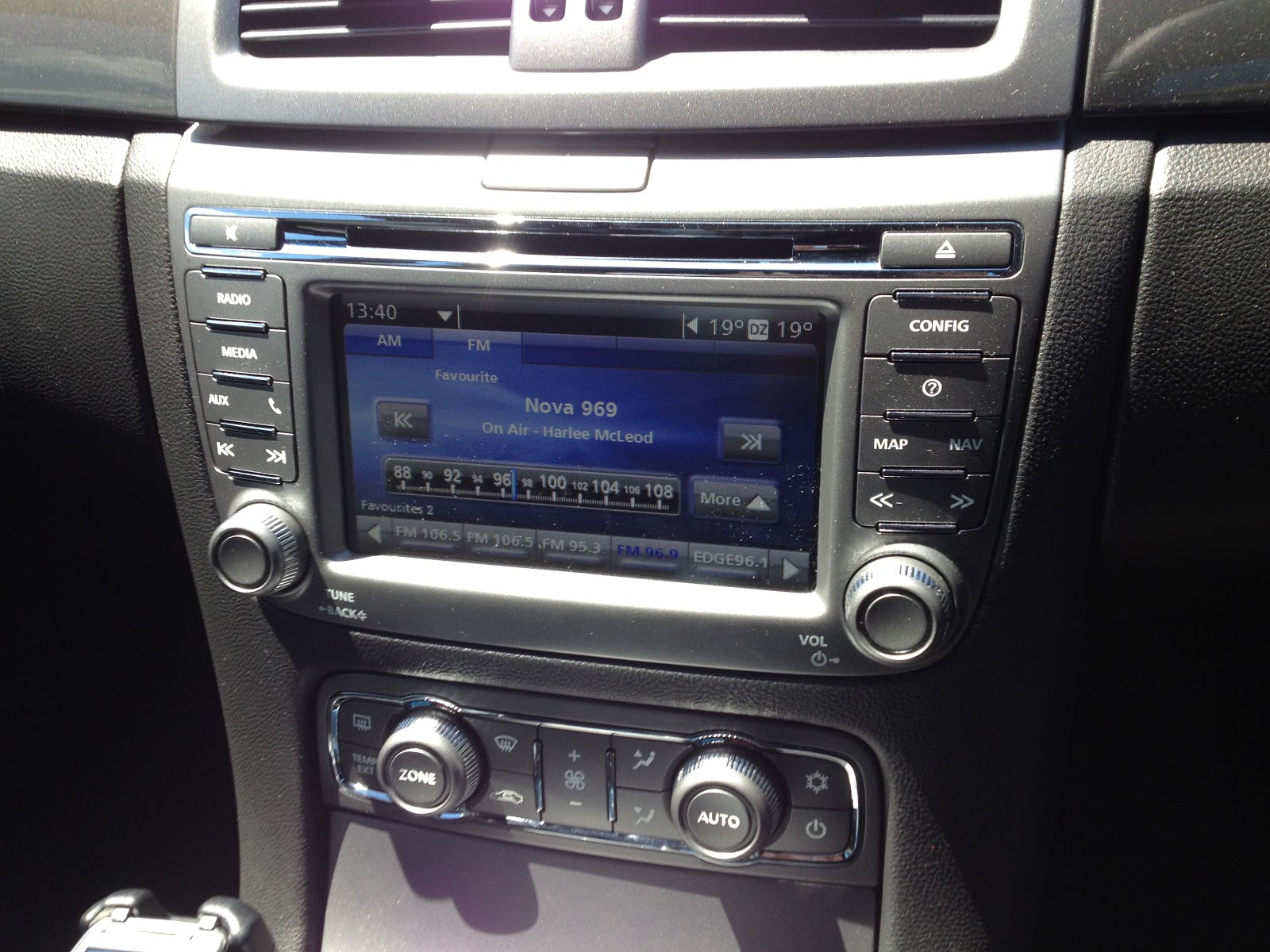 |
| The center console, showing the radio. |
 |
| The dashboard. The center screen can be changed to show various things such as speed as a number. |
~~
Following Behind
Here are a couple of photos I took while following cars and hearses. They show my perspective while behind funeral cars.
 |
| On our way to ESMP one morning. |
 |
| Following behind Panda on our way back from Rookwood. |
 |
| Following behind Panda again on our way back from Rookwood |
Subscribe to:
Posts (Atom)